Living on North Shore MA: What to Know About the Area
June 18, 2026
June 18, 2026
Wondering if Boston’s North Shore might fit the way you want to live? This coastal region offers a mix of historic downtowns, beach communities, marshland scenery, and commuter-friendly cities, but no two towns feel exactly the same. If you are thinking about moving here, this guide will help you understand the lifestyle, housing, daily routines, and practical tradeoffs that come with life on the North Shore. Let’s dive in.
Boston’s North Shore is not one single kind of place. The Massachusetts Office of Coastal Zone Management defines the coastal North Shore as the stretch from Salisbury to Revere, including communities such as Beverly, Danvers, Essex, Gloucester, Ipswich, Lynn, Marblehead, Newburyport, Peabody, Salem, Saugus, Swampscott, and others.
That means your day-to-day life can look very different depending on where you land. Some towns center around walkable historic downtowns and harbors, while others feel more suburban, more beach-oriented, or more tied to marshland and open coastal space.
One of the biggest things to know about the North Shore is that its identity changes from town to town. Salem and Newburyport have a very different feel from Gloucester, Rockport, Ipswich, Revere, or Salisbury, even though they all belong to the same larger coastal region.
For you as a buyer or seller, that matters. When people say they want to live on the North Shore, they may be picturing a historic seaport, a commuter-friendly city, a beach town, or a quieter suburban setting near the coast. The region works best when you match the town to your routine, budget, and priorities.
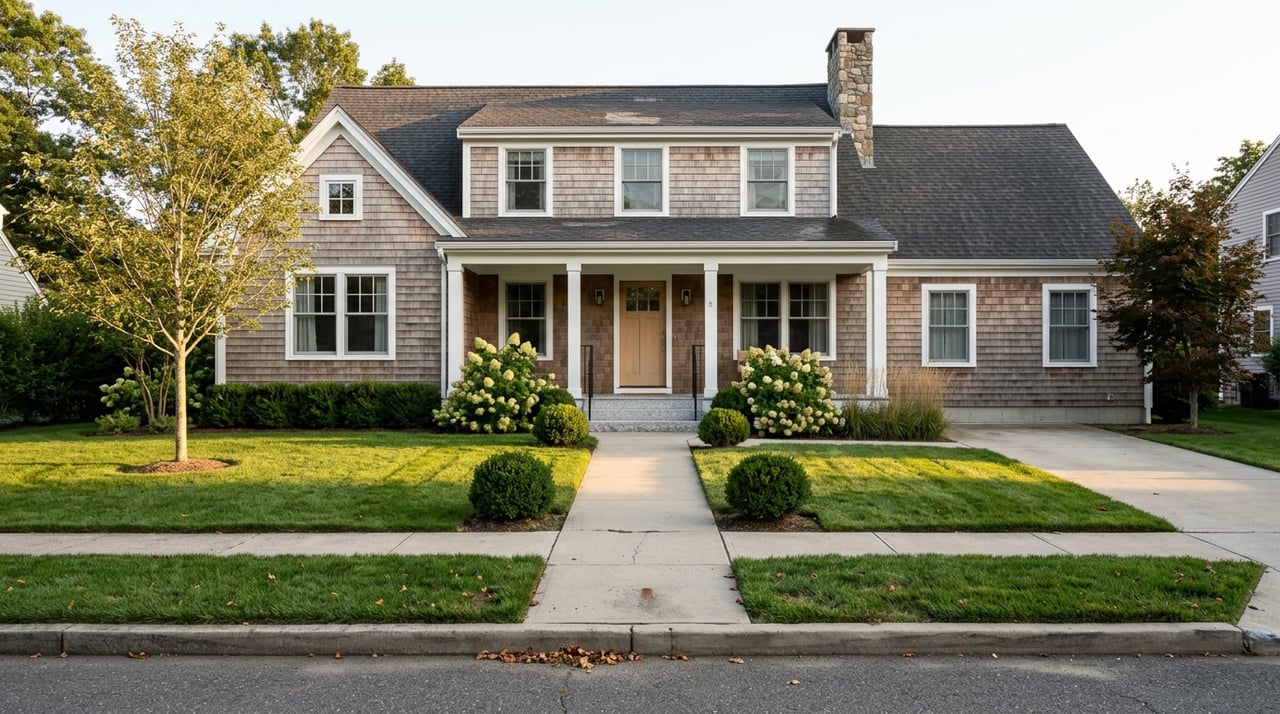
If you love classic New England architecture, the North Shore has a lot to offer. Older communities in the region are known for preserved downtowns and long-standing residential streets with a range of architectural styles.
Across the North Shore, you may see New England Colonial, Federal, Greek Revival, Victorian, Colonial Revival, Tudor Revival, and Craftsman homes. In places with older housing stock, that variety can make your home search feel more interesting, but it can also mean more variation in lot size, layout, updates, and maintenance needs.
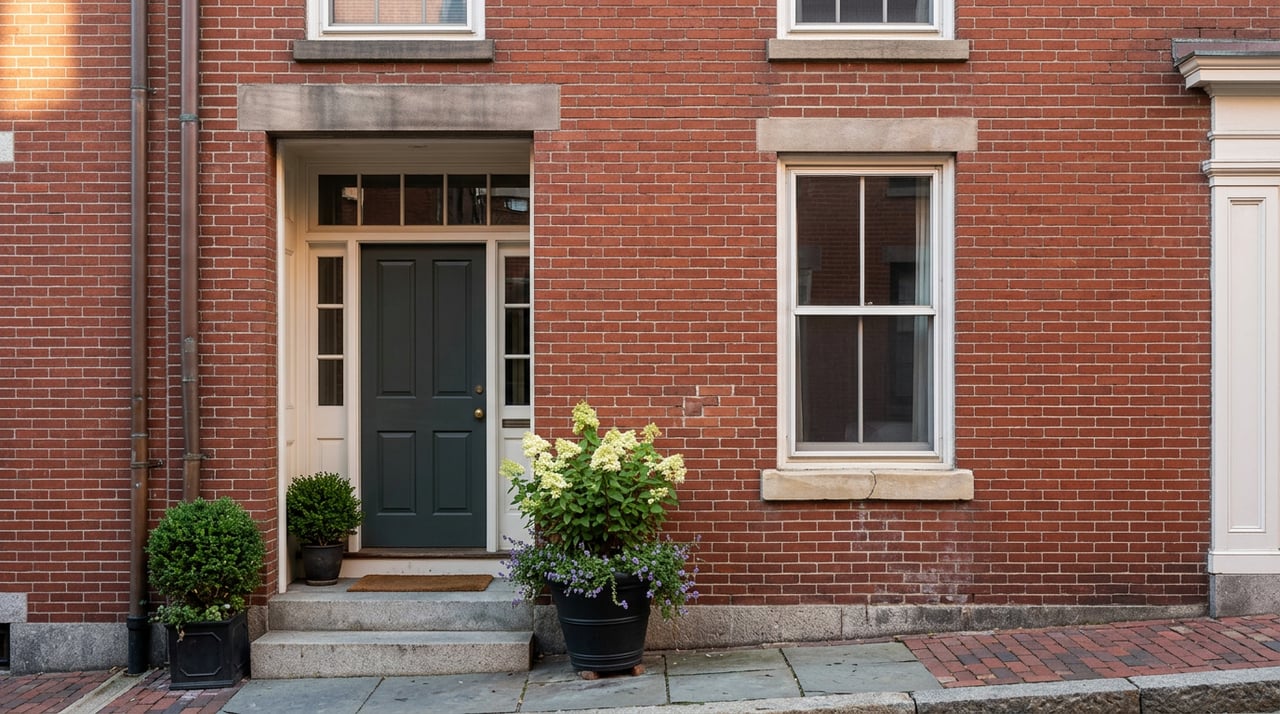
Salem is noted for having examples of more than ten historic styles of American architecture, including a major collection of Federal-style and Federal-period buildings. Newburyport’s planning materials describe a dense urban seaport downtown with Federal-style brick buildings and nearby Federal-style residential areas, while High Street is known for larger Federal-period homes.
If you are drawn to homes with character, detail, and walkable surroundings, these communities often stand out. At the same time, older homes can come with added upkeep, and properties in historic districts may face rules that affect changes to the exterior or future improvements.
The North Shore is also not limited to one housing format. In older coastal communities, it is common to find single-family homes, two-family homes, and multifamily buildings close to one another, especially near downtown areas.
That mix can create more choices for buyers and a broader resale market for sellers. It also means each neighborhood should be evaluated block by block rather than assumed to follow one pattern.
For many residents, the biggest draw is the balance between coastal access and everyday convenience. You can live in a region where ocean views, beaches, trails, and historic town centers are part of normal life, not just weekend destinations.
Essex Heritage describes the region’s historic, cultural, and natural resources as central to quality of life and community vitality. That is easy to see in the mix of harbor towns, preserved downtowns, waterfront spaces, and scenic roadways that define the area.
The North Shore makes it easier to spend time outside in every season. Massachusetts coastal resources point to activities such as swimming, fishing, sailing, kayaking, whale watching, picnicking, and shoreline recreation across the coast.
Well-known destinations in the region include Halibut Point State Park in Rockport, Salisbury Beach State Reservation, Revere Beach Reservation, and Maudslay State Park in Newburyport. Depending on where you live, your regular routine might include beach walks, trail time, harbor views, or quick access to public shoreline spaces.
The region is not only about beaches. The Great Marsh Area of Critical Environmental Concern covers 25,500 acres across Essex, Ipswich, Newbury, Rowley, and Salisbury, including barrier beach, dunes, salt marsh, and water bodies.
That landscape gives parts of the North Shore a quieter, open feel that is very different from a dense town center. If you want scenery and access to nature, this part of the region can be especially appealing.
If you work in or near Boston, the North Shore offers several practical commuting options. The MBTA Newburyport/Rockport Line serves communities including Rockport, Gloucester, Manchester, Beverly, Newburyport, Rowley, Ipswich, Salem, Swampscott, Lynn Interim, and Chelsea.
There is also a ferry route from Lynn into Boston. For many buyers, this commuter access is one of the region’s strongest lifestyle advantages because it creates more flexibility between work access and a more coastal home base.
Places such as Salem, Beverly, Swampscott, Lynn, Newburyport, Gloucester, and Rockport stand out for commuter rail or ferry connections. If your weekly routine depends on getting into Boston regularly, these locations may deserve a closer look.
Other communities can feel more car-based, especially where the local identity is tied more closely to beaches, marshes, or lower-density areas. That does not make them less appealing, but it does change how your mornings and evenings may work.
The North Shore is a true four-season region. NOAA climate normals for the Boston area show an average January high of 36.8°F and low of 23.1°F, along with an average July high of 82.1°F and low of 66.0°F.
In real life, that means the North Shore is not just a summer destination. You get beach season, cool spring and fall days for walking and outdoor time, and a real winter that shapes everything from home maintenance to your weekend plans.
Living near the water is a major reason people look to the North Shore. Views, beach access, harbor settings, and coastal character can make the region feel special in a way that inland communities often do not.
But waterfront or near-water living also comes with extra considerations. Massachusetts coastal inventories note that many North Shore communities have seawalls, revetments, and other shoreline structures that face challenges from erosion, wave forces, sea-level rise, and other coastal pressures.
If you are considering a home near the water, it helps to look beyond the view. You may want to understand the property’s shoreline setting, long-term maintenance needs, and any resilience questions that come with coastal exposure.
In some historic areas, district rules may also affect what changes can be made. A beautiful property can still be the right fit, but it is worth evaluating both the lifestyle benefits and the responsibilities.
If you are selling a coastal or historic property, buyers often have more detailed questions. They may want clarity on location, access, condition, updates, and any property-specific factors tied to shoreline conditions or historic setting.
This is where strong preparation matters. Clear information and thoughtful pricing can help buyers understand the full value of the home and the context that comes with it.
The North Shore can appeal to a wide range of buyers because it offers several lifestyles within one region. Some people are drawn to the commuter access, while others care more about historic architecture, outdoor recreation, or being close to beaches and open space.
You may enjoy living here if you want:
The key is being honest about what matters most in your day-to-day life. A town that works well for train access may feel different from one that works best for beach access or a quieter marsh setting.
The best way to approach the North Shore is not to ask which town is best overall. It is to ask which town best fits your routine.
Start with the basics:
Those answers will usually narrow the field quickly. Once that happens, it becomes much easier to compare specific towns and neighborhoods in a practical way.
If you are buying or selling on the North Shore, having local guidance matters because this region is so varied from one community to the next. If you want help understanding which towns fit your goals, or how to position your home in today’s market, connect with Lynn D'Avolio for experienced, hands-on guidance.



Whether you’re buying your first home, selling a trust property, or navigating a probate sale, my goal is always the same: to provide honest guidance, strong advocacy, and a smooth experience from beginning to end. Real estate is about people, not just properties. I would be honored to help you take your next step.