
Living in East Boston MA for Busy Commuters
June 25, 2026
June 25, 2026
If your weekdays move fast, where you live can either make life easier or add one more layer of stress. In East Boston, daily life is shaped by quick access to downtown, close airport connections, and neighborhood spots that make errands and downtime feel manageable. If you are weighing whether East Boston fits your routine, this guide will help you picture what everyday life can actually look like here. Let’s dive in.
East Boston sits across Boston Harbor and connects to downtown through the Blue Line, tunnels, MBTA ferries, and surface roads. According to Boston Planning, that mix of transit options is a defining part of the neighborhood. For commuters, that means you are not relying on just one way to get where you need to go.
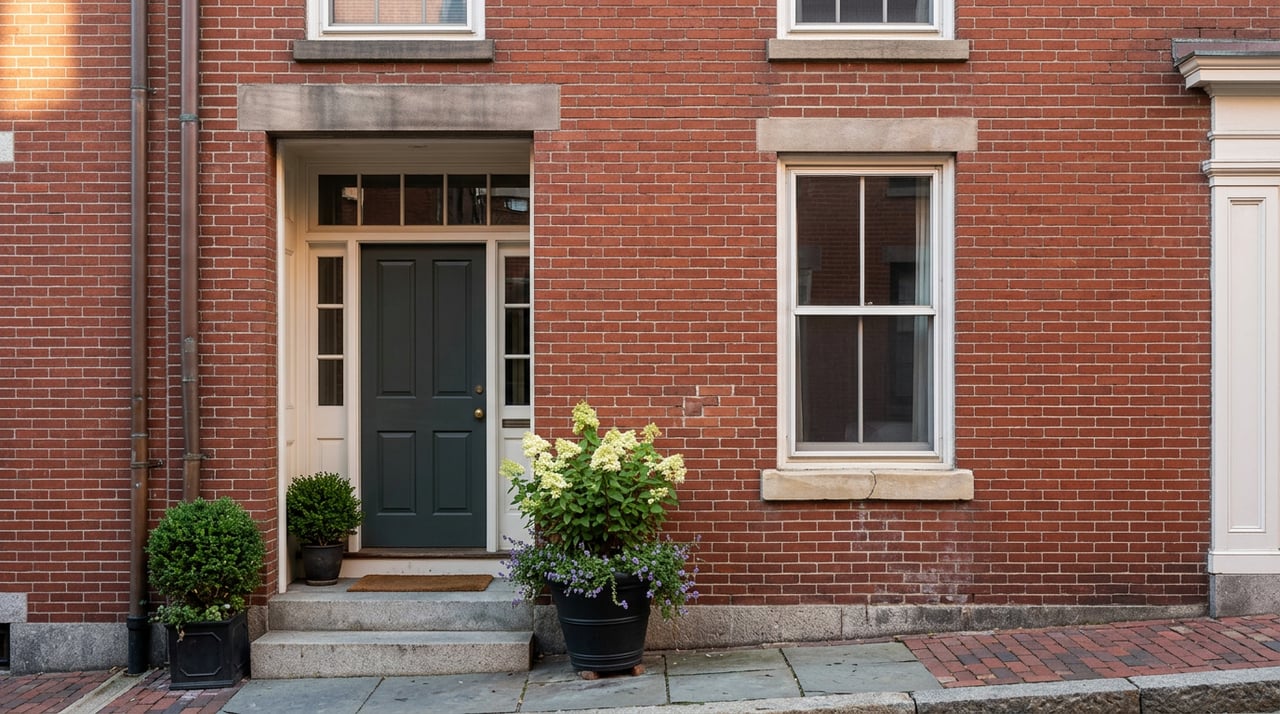
The neighborhood also has a very lived-in residential feel. Boston Planning describes East Boston as a place with residential neighborhoods, transportation links, recreational opportunities, and a mix of old and new housing that includes restored triple-deckers. That combination helps East Boston feel practical for people who want city access without living in the center of downtown.
For many residents, the Blue Line is the backbone of the workweek. It gives East Boston a direct rapid-transit connection into downtown Boston and beyond. If your schedule depends on getting into the city efficiently, that kind of consistent transit access matters.
Driving is also part of the picture. Boston Planning notes access through the Callahan, Ted Williams, and Sumner Tunnels, which gives commuters another option depending on work hours and destination. If your job takes you to different parts of Greater Boston, that flexibility can be a real advantage.
The ferry adds another layer. Boston’s transportation department says inner-harbor ferry service connects Lewis Mall Wharf in East Boston with the broader commuter network, and MBTA rider guidance encourages Blue Line riders to use the East Boston Ferry between Lewis Mall Wharf and Long Wharf during Blue Line disruptions. In real life, that means the ferry is more than a scenic extra. It can be a useful backup when you need to keep your day on track.
One of East Boston’s most practical advantages is how close it is to Logan Airport. For people who travel often for work or family, that can simplify early departures and late arrivals. You spend less time getting to the airport and more time getting where you need to go.
Massport’s free Logan shuttle connects airline terminals, the Rental Car Center, the Water Transportation Dock, and Airport Station on the Blue Line. That connection makes East Boston especially appealing if your schedule includes flights, pickups, or business travel. It is one more example of how the neighborhood supports movement in several directions.
East Boston is not just a pass-through location on the way to somewhere else. It has an established neighborhood pattern built around local squares, housing blocks, parks, and small businesses. Boston Planning identifies Maverick Square and Central Square as the main commercial areas, which helps give daily life a more local scale.
That matters when your week is busy. Instead of planning every errand around a long drive, you are more likely to move through compact neighborhood hubs for coffee, takeout, or day-to-day needs. The result is a routine that can feel efficient without feeling rushed.
Boston also reports that more than 90% of East Boston businesses are small businesses. That supports the neighborhood’s local energy and helps explain why so many daily stops feel tied to independent businesses rather than large shopping corridors. For many buyers, that kind of setting adds personality to the practical side of everyday life.
If food is part of how you recharge after work, East Boston offers range. City reporting has highlighted long-running local businesses and restaurants such as Angela’s Cafe, La Hacienda, Italian Express, and Rino’s Place. Those names reflect a neighborhood dining scene shaped by locally rooted, family-run businesses.
Recent coverage also points to newer additions. Boston Magazine named Cunard Tavern the 2025 Best Neighborhood Restaurant in East Boston, and Boston.com reported that MIDA opened on the East Boston waterfront in 2023. Together, these examples show a dining mix that supports both casual weeknight meals and more polished evenings out.
For a busy commuter, that balance matters. Some nights you want something quick and familiar near the square. Other nights, you may want to meet friends or unwind by the waterfront without leaving the neighborhood.
One of East Boston’s biggest lifestyle strengths is how much open space and waterfront access it offers within a dense city neighborhood. Boston Green Links says the East Boston Greenway includes three miles of pathway through parks, beaches, and marshes for bikers, runners, and walkers. That creates a practical outlet for people who want movement and fresh air built into daily life.
The Mary Ellen Welch Greenway corridor connects Jeffries Point Waterfront to Constitution Beach and is being improved with climate-resilience features, with completion expected in 2026. For residents, that corridor helps tie different parts of the neighborhood together. It also gives you a straightforward way to fit a walk, run, or bike ride into the end of the day.
Piers Park is one of the neighborhood’s signature open spaces. Boston and Massport describe it as a community space with greenscapes, playground equipment, exercise equipment, a pier into Boston Harbor, and skyline views. It is the kind of place that makes a short evening break feel worthwhile.
Constitution Beach adds another layer of outdoor access, and city resilience planning says it is being renovated as a resilient beach that improves open space and recreation while helping block a flood pathway. Belle Isle Marsh is described in city materials as the largest remaining salt marsh in Boston Harbor and an important recreation and habitat area for East Boston and nearby communities. In a practical sense, these spaces give you options when you want your day to end somewhere other than indoors.
East Boston’s housing mix shapes the commuter experience too. The City describes the neighborhood as a place where restored triple-deckers remain part of the local character, alongside newer housing. That blend gives East Boston a denser residential pattern than many suburban communities, but one that often keeps you close to transit, local businesses, and the waterfront.
Recent city-backed projects also reflect the role of condos and multifamily homes in the neighborhood. Boston’s 2021 Harborwalk project on the East Boston waterfront included 22 deeply affordable rental homes and 30 condominiums, and a 2024 City posting highlighted The Aileron at 131 Condor Street, a new seven-unit building with a condo available to an income-eligible buyer. Those examples show that condo and small multifamily living are a meaningful part of East Boston’s housing landscape.
If you are comparing neighborhoods, this matters because lifestyle and housing type often go hand in hand. In East Boston, condo and multifamily living can support a lower-maintenance routine and closer access to the places you use most during the week.
A lot of commuter-friendly neighborhoods offer convenience. East Boston stands out because it pairs that convenience with a distinct neighborhood identity. Boston Planning describes a community known for transportation links and recreational opportunities, and the neighborhood profile also notes its long history as a neighborhood of immigrants and its many ethnic restaurants.
That local identity shows up in everyday routines. You can commute into downtown, head to Logan, stop in a neighborhood square, and still end your evening near the harbor. For many buyers, that balance is what makes East Boston feel more personal than simply practical.
If you are thinking about buying in East Boston, it helps to focus on how you actually live day to day. The right fit is not only about the home itself. It is also about how smoothly the neighborhood supports your work, travel, errands, and downtime.
As you compare options, consider:
A neighborhood can look great on paper but feel different once you map it to your schedule. East Boston tends to appeal most to buyers who want city access, practical transit choices, and a neighborhood feel that still gives them room to reset after work.
If you are exploring East Boston or comparing it with nearby communities, working with an experienced local broker can help you narrow in on the right fit for your goals, budget, and routine. When you are ready for practical guidance and steady support, connect with Lynn D'Avolio.




Whether you’re buying your first home, selling a trust property, or navigating a probate sale, my goal is always the same: to provide honest guidance, strong advocacy, and a smooth experience from beginning to end. Real estate is about people, not just properties. I would be honored to help you take your next step.