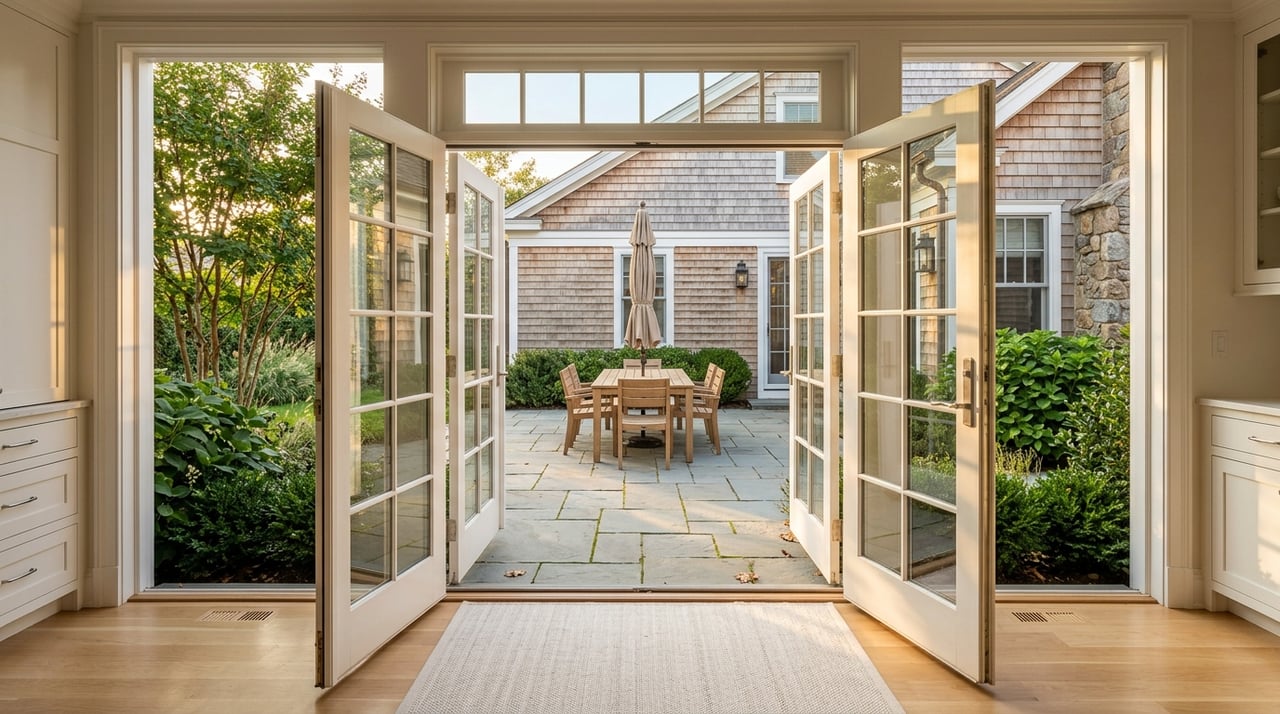
East Boston Condo Or North Shore Home: How To Decide
July 9, 2026
July 9, 2026
Trying to choose between an East Boston condo and a North Shore home? You are not alone. Many buyers find themselves torn between city convenience and lower-maintenance living on one side, and more space and a different day-to-day pace on the other. If you are weighing both options, the right answer usually comes down to how you want to live, commute, and budget month to month. Let’s dive in.
At a high level, this is less about picking one "better" area and more about choosing the setup that fits your life right now. East Boston offers an urban waterfront neighborhood within Boston, while the North Shore includes a range of communities such as Lynn, Peabody, Salem, Saugus, and Swampscott.
That distinction matters. When you compare East Boston to the North Shore, you are usually comparing a condo-centered city lifestyle to townhouse or single-family options in a wider mix of communities.
East Boston appeals to buyers who want to stay close to the action. The neighborhood is known for its waterfront setting, harbor views, restaurants, Logan Airport access, and a housing mix that still includes restored triple-deckers.
It also has a strong transit advantage. The Blue Line connects East Boston to downtown Boston and Logan Airport, and ferry service adds another option for getting to Long Wharf and the airport.
For many buyers, that kind of access can shape daily life in a big way. If you want to spend less time driving and more time enjoying city amenities, East Boston can be a very practical fit.
East Boston is a condo-heavy market. Recent market data showed 148 condos for sale, with a median listing price of $660,000. The broader neighborhood market showed a median sale price of $670,000 and about 35 days on market over the three months ending May 2026.
That inventory often means smaller footprints and attached living. Recent examples included a 2-bedroom, 1-bath unit with 616 square feet, as well as newer 2-bedroom, 2-bath units with HOA fees such as $310 per month.
The North Shore can be a strong option if you want more room and a different ownership experience. Because the region includes many communities, the housing choices and daily feel can vary a lot from town to town.
Some areas are more commuter-friendly than others. The Newburyport/Rockport Line serves communities including Lynn, Swampscott, Salem, and Beverly, which can make rail commuting workable for buyers who want access to Boston without living in the city itself.
For buyers comparing East Boston with nearby North Shore options, Lynn often becomes part of the conversation because of its location and its mix of condos, townhouses, and multifamily homes. Other North Shore communities may offer different price points, home sizes, and commute patterns.
One of the biggest reasons buyers shift their search north is space. Depending on the town and property type, you may find townhouses or single-family homes that offer features like a garage, deck, yard, or extra square footage.
In Lynn, recent market data showed townhouses for sale at a median listing price of $550,000, while the city’s median sale price over the prior three months ending May 2026 was $585,000. Recent townhouse examples included 2-bedroom, 2.5-bath new-construction homes with a private deck, in-unit laundry, a 1-car garage, and EV charging.
The tradeoff is that once you move into larger or more suburban-style properties, prices can rise quickly depending on the town. For example, recent Lynnfield single-family examples showed homes around 1,900 square feet at roughly $1.05 million.
If you are stuck, start with lifestyle before price. Two homes can look similar on paper, but feel completely different once you picture your weekly routine.
East Boston tends to work well if you want:
A North Shore townhouse or home may be a better fit if you want:
Neither path is automatically better. The best choice is the one that supports how you want to spend your time.
Sticker price is only part of the story. A condo and a townhouse or single-family home may feel close in purchase price, but the monthly ownership picture can look very different.
With a condo, you need to budget for more than principal and interest. Your total monthly cost may include property taxes, homeowners insurance, possible mortgage insurance, and condo or HOA dues.
Those dues matter. Massachusetts condo guidance explains that condominiums are governed by master documents and Chapter 183A, with common-area maintenance handled through the association, reserve funds required, and special assessments possible.
That means condo fees are not just another line item. They are part of how the building is maintained and how shared costs are handled over time.
Before buying an East Boston condo, it helps to look closely at:
A condo can simplify ownership, but you are also buying into a shared financial structure. Reviewing documents carefully is an important part of deciding whether the tradeoff works for you.
A North Shore home often gives you more space, but it usually gives you more responsibility too. If there is no association handling major common upkeep, you may be the one coordinating roofing, siding, leaks, ventilation issues, plumbing problems, or other repairs.
For some buyers, that is a fair trade for extra room and more control. For others, the idea of managing exterior upkeep, repair costs, and long-term maintenance feels like too much for this stage of life.
This is one of the biggest decision points in the East Boston condo versus North Shore home conversation. You are not just choosing a property type. You are choosing how much hands-on ownership you want.
Commute style can make the decision clearer fast. If you rely on transit and want a direct connection into Boston, East Boston has a strong advantage because of the Blue Line and ferry access.
If you are open to commuter rail, some North Shore communities can still work well. Towns served by the Newburyport/Rockport Line may offer a middle ground for buyers who want more space without giving up rail access completely.
If your work, travel, or family routine involves frequent airport trips, East Boston may feel especially convenient. If your routine is more car-based and you value space more than proximity, the North Shore may feel more comfortable day to day.
If you are deciding between an East Boston condo and a North Shore home, ask yourself:
These questions usually reveal the answer faster than comparing listing photos alone. In many cases, the real choice is whether you are buying time, convenience, space, or flexibility.
An East Boston condo may be the right fit if you want city access, easier transit, and a lower-maintenance ownership style. It can be especially appealing if your priority is staying connected to Boston while keeping your home search focused on attached living.
A North Shore townhouse or single-family home may make more sense if you want more room, features like a garage or yard, and a property that supports a longer ownership horizon. That can be a smart move when your lifestyle points toward space and control over convenience.
The key is to compare the full picture, not just price per square foot or list price. When you line up commute, monthly cost, maintenance, and long-term plans, the better fit usually becomes much easier to see.
If you are weighing East Boston against North Shore communities and want practical guidance tailored to your goals, Lynn D'Avolio can help you compare options, understand the tradeoffs, and move forward with confidence.




Whether you’re buying your first home, selling a trust property, or navigating a probate sale, my goal is always the same: to provide honest guidance, strong advocacy, and a smooth experience from beginning to end. Real estate is about people, not just properties. I would be honored to help you take your next step.